
Introduction
As the global economy evolves and the demand for flexible housing solutions grows, the construction industry is exploring innovative approaches to meet these needs. Prefabricated houses have emerged as a viable solution, offering efficiency, cost-effectiveness, and rapid deployment. Lida Group, a leader in steel structure technology, has made significant strides in the development of prefabricated houses tailored for workers. This article will explore the benefits of Lida Group’s prefabricated houses, their design principles, applications, and how they contribute to efficient living for workers in various sectors.
Understanding Prefabricated Houses
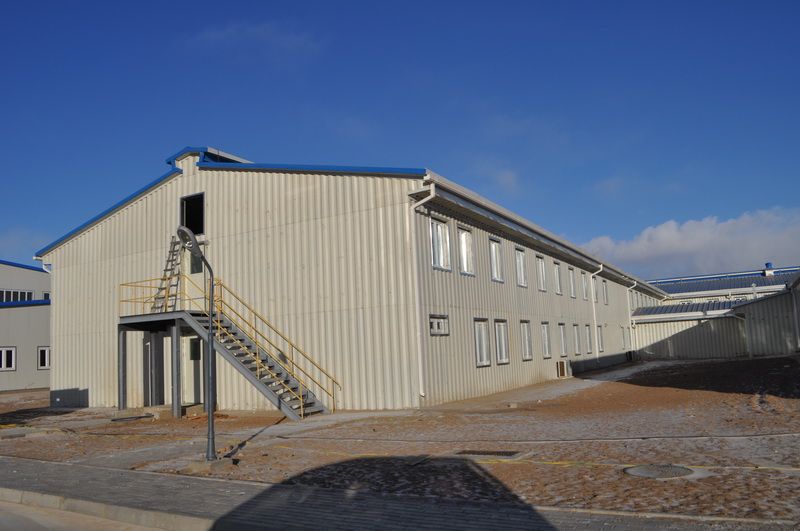
What Are Prefabricated Houses?
Prefabricated houses, often referred to as modular or prefab homes, are structures that are manufactured off-site in controlled environments. Components are built in sections or modules and then transported to the construction site for assembly. This method contrasts with traditional on-site construction, which can be time-consuming and labor-intensive.
The Rise of Prefabricated Housing
The demand for prefabricated housing has increased significantly in recent years due to several factors:
- Urbanization: Rapid urban growth has led to a housing shortage, prompting the need for quick and efficient building solutions.
- Cost Pressures: Rising construction costs have driven developers to seek more affordable housing options.
- Sustainability: Prefabrication allows for better resource management and reduced waste, aligning with sustainability goals.
- Labor Shortages: The construction industry faces a shortage of skilled labor, making efficient building methods more appealing.
Benefits of Lida Group’s Prefabricated Houses
1. Speed of Construction
One of the most notable advantages of Lida Group’s prefabricated houses is the speed at which they can be constructed. The modular approach allows for:
- Concurrent Processes: While the modules are being constructed off-site, site preparation can occur simultaneously, significantly reducing the overall project timeline.
- Rapid Assembly: Once delivered, the modules can be assembled quickly, often within days, allowing workers to move in sooner.
2. Cost-Effectiveness
Cost efficiency is a crucial factor for businesses and organizations looking to provide housing for workers. Lida Group’s prefabricated houses offer:
- Reduced Labor Costs: Fewer skilled labor hours are required for assembly compared to traditional construction methods.
- Lower Material Costs: Prefabrication allows for bulk purchasing of materials, reducing overall costs.
- Minimized Waste: Controlled manufacturing leads to less waste, further lowering expenses.
3. Quality Control
Lida Group prioritizes quality in its prefabricated houses through:
- Controlled Environment: Building components in a factory setting allows for better quality control and reduces the impact of weather-related delays.
- Standardized Processes: Consistent manufacturing processes lead to fewer defects and higher quality assurance.
4. Flexibility and Customization
Lida Group’s prefabricated houses can be tailored to meet the specific needs of workers and organizations. Key features include:
- Modular Design: The modular nature allows for various configurations, enabling customization based on the number of occupants and functionality required.
- Adaptable Spaces: Units can be designed for different uses, such as dormitory-style living, individual apartments, or temporary housing for project-based workforces.
5. Sustainability
Sustainability is an integral part of Lida Group’s design philosophy. Prefabricated houses contribute to environmental goals through:
- Energy Efficiency: These homes can be designed with energy-efficient systems, such as high-performance insulation and renewable energy options, reducing energy consumption.
- Low Environmental Impact: The reduced waste generated during manufacturing and construction contributes to a lower carbon footprint.
Design Principles of Lida Group’s Prefabricated Houses
1. Space Optimization
Efficient use of space is critical in designing prefabricated houses. Lida Group employs several strategies to maximize functionality within compact areas:
- Open Floor Plans: Designing open layouts facilitates better flow and usage of space, making smaller units feel larger and more inviting.
- Multi-Functional Furniture: Incorporating furniture that serves multiple purposes helps to enhance usability in limited spaces.
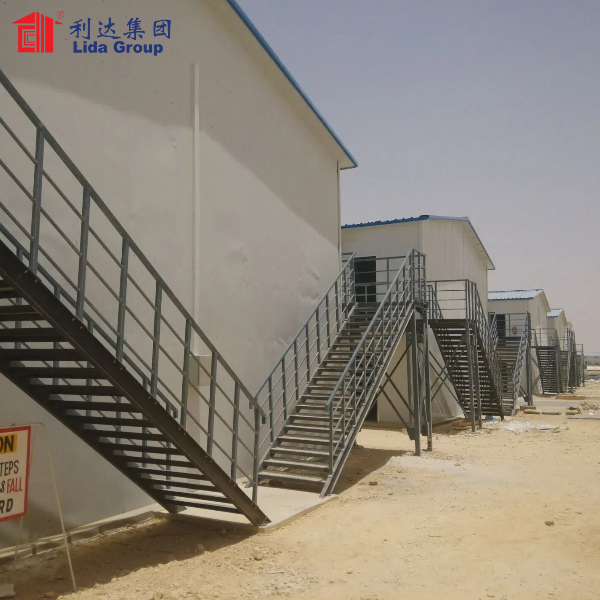
2. Modular Construction
The modular construction approach allows for flexibility and scalability. Lida Group’s design principles include:
- Interconnected Modules: Multiple units can be connected to create larger living spaces or communal areas, allowing for easy expansion.
- Easy Reconfiguration: Modules can be reconfigured or relocated as needs change, making them ideal for temporary or changing workforces.
3. Aesthetic Appeal
While functionality is paramount, Lida Group also emphasizes the importance of aesthetics in its prefabricated houses. Design features include:
- Modern Design Elements: Incorporating contemporary architectural styles enhances the visual appeal of the units.
- Custom Finishes: Options for exterior and interior finishes allow clients to personalize their living spaces.
4. Safety and Compliance
Safety is a top priority in the design of prefabricated houses. Lida Group ensures that all units meet local building codes and safety standards:
- Durable Materials: Using high-quality, durable materials enhances the safety and longevity of the structures.
- Fire Safety Measures: Incorporating fire-resistant materials and safety systems ensures the well-being of occupants.
Applications of Prefabricated Houses for Workers
1. Construction Sites
Prefabricated houses are ideal for providing temporary housing solutions for construction workers. Benefits include:
- Proximity to Work: Workers can live on-site, reducing commute times and increasing productivity.
- Flexible Duration: Units can be easily removed or relocated as projects progress or conclude.
2. Remote Locations
In industries such as mining, oil, and gas, workers often need housing in remote areas. Lida Group’s prefabricated houses offer:
- Quick Deployment: The ability to rapidly deploy housing units in challenging locations meets urgent housing needs.
- Comfortable Living Conditions: These homes provide essential amenities, ensuring a comfortable living environment for workers.
3. Disaster Relief and Emergency Housing
Prefabricated houses can be deployed quickly in response to natural disasters or emergencies. Features include:
- Rapid Setup: The speed of assembly allows for immediate housing solutions for displaced populations.
- Temporary or Permanent Solutions: Depending on the situation, these homes can serve as temporary shelters or be adapted for long-term use.
4. Corporate Housing
Companies seeking to provide housing for their employees during projects can benefit from Lida Group’s prefabricated solutions. Key advantages include:
- Enhanced Employee Satisfaction: Providing comfortable, well-designed living spaces improves employee morale and productivity.
- Cost-Effective Solutions: Reduces the costs associated with traditional housing arrangements, such as hotel stays.
Enhancing Worker Productivity Through Efficient Living
1. Comfortable Living Environments
Lida Group’s prefabricated houses are designed to provide comfortable living spaces for workers. Key features include:
- Adequate Space: Thoughtful layouts ensure that workers have enough room to live and relax, contributing to overall well-being.
- Essential Amenities: Providing access to kitchens, bathrooms, and communal areas enhances the quality of life for occupants.
2. Community Building
Prefabricated houses can foster a sense of community among workers. By designing clusters of units, Lida Group encourages:
- Social Interaction: Shared spaces and communal areas promote interaction and collaboration among workers, enhancing teamwork.
- Support Networks: Living in close proximity allows workers to support one another, contributing to a positive living experience.
3. Work-Life Balance
Efficient living arrangements can help workers achieve a better work-life balance. Key elements include:
- Reduced Commute Times: Living closer to work allows for more personal time, which can lead to improved mental health and job satisfaction.
- Flexible Arrangements: The adaptability of prefabricated houses can accommodate changing schedules and family needs.
Challenges in Implementing Prefabricated Housing Solutions
1. Regulatory Hurdles
One of the primary challenges in deploying prefabricated houses is navigating local regulations and building codes. Key considerations include:
- Zoning Restrictions: Understanding local zoning laws is crucial to ensure compliance and avoid delays.
- Building Codes: Each region may have specific building codes that must be adhered to, requiring careful planning and consultation.
2. Perception and Acceptance
There may be misconceptions about the quality and durability of prefabricated houses. Overcoming these perceptions involves:
- Education and Awareness: Providing information on the benefits and quality of prefabricated housing can help shift public perception.
- Showcasing Success Stories: Highlighting successful implementations can demonstrate the viability and advantages of prefabricated solutions.
3. Logistical Challenges
Transporting and assembling prefabricated units can present logistical challenges. Considerations include:
- Transportation Costs: The cost of transporting modules to remote locations can impact overall project budgets.
- Site Preparation: Adequate site preparation is essential for successful assembly, requiring careful planning and coordination.
The Future of Prefabricated Housing for Workers
1. Technological Advancements
As technology continues to evolve, the prefabricated housing industry will benefit from innovations such as:
- 3D Printing: Advances in 3D printing technology may revolutionize the manufacturing of housing components, allowing for greater customization and efficiency.
- Smart Home Technologies: Integrating smart technologies into prefabricated houses can enhance energy management and improve the living experience.
2. Sustainable Practices
The trend toward sustainability will shape the future of prefabricated housing. Key developments may include:
- Green Building Materials: The use of sustainable materials in construction will become increasingly important in meeting environmental goals.
- Energy-Positive Designs: Future designs may focus on creating energy-positive homes that generate more energy than they consume.
3. Global Expansion
The demand for prefabricated housing is expected to grow globally, particularly in emerging markets. This expansion will involve:
- Adaptation to Local Needs: Customizing designs to meet regional preferences and cultural requirements will be essential.
- Partnerships and Collaborations: Collaborating with local governments and organizations can facilitate the adoption of prefabricated solutions.
Conclusion
Lida Group’s prefabricated houses for workers represent a significant advancement in efficient living solutions. By combining speed, cost-effectiveness, quality, and sustainability, these homes offer a viable alternative to traditional housing methods. As industries continue to evolve and the need for flexible living arrangements grows, Lida Group is well-positioned to meet these demands. Through innovative design and a commitment to quality, Lida Group is not only enhancing the living conditions for workers but also contributing to the broader goals of sustainability and efficiency in the construction industry. The future of prefabricated housing promises to be bright, with significant opportunities for growth and improvement in how we provide living spaces for workers around the world.
Contact Us
Post time: Dec-04-2024